What Is Perinatal Asphyxia? Causes, Signs, and When a Birth Injury Raises Questions

The birth of a child should be one of life’s most hopeful moments. When a baby is deprived of oxygen around the time of delivery, however, the consequences can last a lifetime. Perinatal asphyxia is one of the most serious complications a newborn can face, and for many families it becomes the starting point of a long and difficult journey. Understanding what it is, why it happens, and how it can affect a child helps parents ask the right questions and recognize when something may have gone wrong.

This article explains perinatal asphyxia in clear terms, including its causes, warning signs, and long-term effects such as cerebral palsy. It also outlines when a birth injury may raise questions about medical negligence and where families in Canada can turn for guidance.

What perinatal asphyxia means

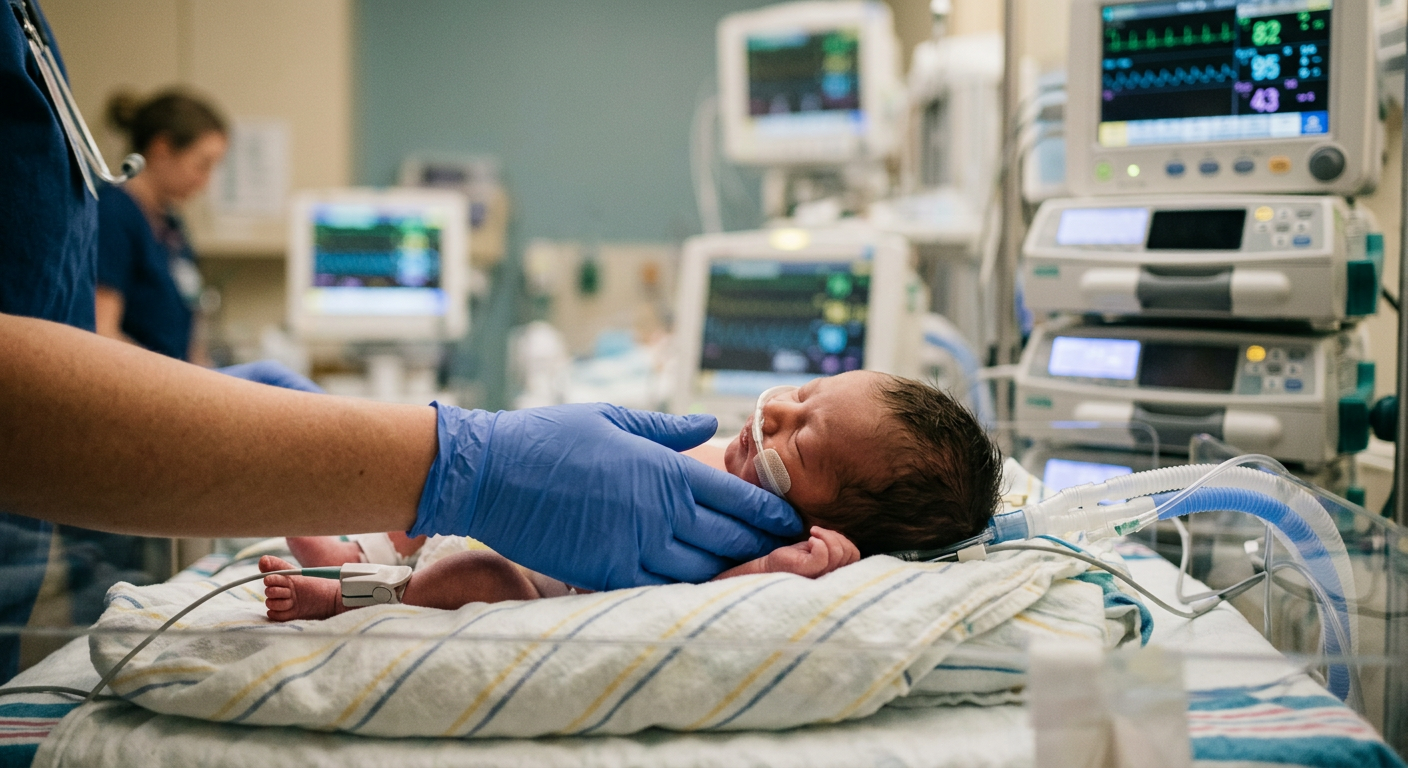
Perinatal asphyxia, sometimes called birth asphyxia, happens when blood flow or oxygen exchange to a baby is disrupted immediately before, during, or shortly after birth. When oxygen is reduced, doctors call it hypoxia; when it is cut off completely, they call it anoxia. Either way, the baby’s cells begin to struggle. Without enough oxygen, the body shifts to a less efficient form of metabolism that produces acid in the blood, a condition known as metabolic acidosis. If this continues, organs begin to fail, and the brain is especially vulnerable.

According to StatPearls, published by the U.S. National Library of Medicine, perinatal asphyxia affects roughly 2 in every 1,000 births in high-resource countries such as Canada, and the rate is about ten times higher in parts of the world with fewer medical resources. Most cases occur during labour, though about one in five begins before delivery even starts.

The link to hypoxic-ischemic encephalopathy

When oxygen deprivation injures the brain, the resulting condition is called hypoxic-ischemic encephalopathy, or HIE. “Hypoxic” refers to low oxygen, “ischemic” refers to reduced blood flow, and “encephalopathy” means the brain is not working normally. The Cleveland Clinic notes that HIE affects roughly 1 to 6 infants per 1,000 births and is a leading cause of brain injury in newborns.

The damage does not happen all at once. Doctors describe an initial, or primary, injury from the loss of oxygen and glucose, followed by a latent period of several hours, and then a second wave of injury that can unfold over the next day or two as blood flow returns and harmful chemicals spread through brain tissue. This timeline matters, because it creates a narrow window in which treatment can make a real difference.

Common causes and risk factors

Perinatal asphyxia has many possible causes, and often more than one factor is at play. Problems with the placenta, such as placental abruption, can suddenly reduce the oxygen supply. Umbilical cord complications, including a prolapsed cord, a tight knot, or a cord compressed during labour, can pinch off blood flow. A rupture of the uterus, maternal bleeding, very low maternal blood pressure, or a serious infection can also starve the baby of oxygen. In some cases the baby’s own heart or lungs are not functioning properly.

Certain situations raise the risk, including a difficult or prolonged labour, a breech position, shoulder dystocia, or signs of fetal distress on the monitor. This is precisely why careful monitoring during pregnancy and delivery is so important. When warning signs are recognized early, a care team can act, sometimes by moving quickly to an assisted or Caesarean delivery, to protect the baby.

Signs and symptoms in a newborn

The signs of perinatal asphyxia depend on how severe the oxygen loss was. Doctors often describe the severity using the Sarnat staging system. In milder cases, a baby may seem overly alert or jittery, with exaggerated reflexes. In moderate cases, the baby may be lethargic, have weak muscle tone, feed poorly, or experience seizures. In severe cases, the baby may be limp, unresponsive, and show very few reflexes, sometimes needing help to breathe.

Care teams use several tools to assess a newborn, including Apgar scores taken in the first minutes of life, testing of the umbilical cord blood for acid levels, and monitoring of the baby’s heart rate. Imaging such as an MRI and brain-activity testing with an EEG can help confirm the extent of any injury. A single low Apgar score does not, on its own, prove a lasting injury, but a pattern of concerning findings can point toward HIE.

Treatment and the importance of timing

The main proven treatment for moderate-to-severe HIE is therapeutic hypothermia, often called cooling. The baby’s body temperature is carefully lowered for about 72 hours to slow the harmful chemical processes that cause secondary brain injury, then gradually rewarmed. The Canadian Paediatric Society recommends cooling for infants at 36 weeks gestation or older who meet specific criteria, and considers it for babies at 35 weeks. Crucially, cooling is most effective when started within six hours of birth. A meta-analysis cited by the Society found that cooling reduces the combined risk of death or moderate-to-severe developmental delay, with a number needed to treat of about seven. In other words, timely recognition and prompt action can change a child’s future.

Long-term consequences, including cerebral palsy

Not every baby who experiences perinatal asphyxia will have lasting effects, and with prompt treatment many recover well. For others, the consequences are permanent. StatPearls reports that up to a quarter of survivors of significant birth asphyxia live with lasting neurological effects. These can include cerebral palsy, seizure disorders, developmental delays, feeding difficulties, and vision or hearing loss.

Cerebral palsy is one of the most well-known outcomes. It is a group of conditions affecting movement, balance, and posture, caused by injury to the developing brain. The Mayo Clinic notes that while a lack of oxygen during a difficult labour or delivery can lead to cerebral palsy, this cause is less common than once believed, and many cases relate to events before birth. This is an important point: cerebral palsy has many possible causes, and its presence does not automatically mean a birth injury or a mistake occurred. Careful medical review is needed to understand what happened in each child’s case. When we describe a child with cerebral palsy, person-first language matters. A child is not defined by a diagnosis.

When a birth injury may raise medical-negligence questions

Childbirth carries inherent risks, and a poor outcome is not always the result of a mistake. A medical-negligence question generally arises when a care provider fails to meet the accepted standard of care, and that failure causes harm. In the context of perinatal asphyxia, families sometimes wonder whether signs of fetal distress were missed or ignored, whether a necessary delivery was delayed, or whether a newborn showing signs of HIE received timely, appropriate treatment such as cooling. Answering these questions requires a thorough review of the medical records by qualified professionals. If you have concerns, gathering and preserving your records early is a sensible first step.

In Ontario

Birth-injury claims and limitation periods are handled at the provincial level. In Ontario, the basic limitation period under the Limitations Act, 2002 is generally two years from when a claim is discovered. Importantly, for a minor, that clock generally does not begin to run until the child turns 18. These rules have exceptions and nuances, and the details vary from case to case, so it is wise to speak with a lawyer about your specific circumstances rather than rely on general timelines.

Speak with someone who can help

The team of lawyers at Diamond and Diamond have experience handling birth injury and medical malpractice claims. Call our 24/7 injury hotline at 1-800-567-4878 or visit our website to speak with someone now. We offer free consultations and case evaluations, and our lawyers represent injured people and families across Canada.

Leave a Reply


Need a Lawyer?

We are here 24/7 to address your case. You can speak with a lawyer to request a consultation.

1-800-567-HURT

Get started with a free consultation