


Pediatrician vs. Neonatologist: What Is the Difference and Why It Matters for Your Newborn
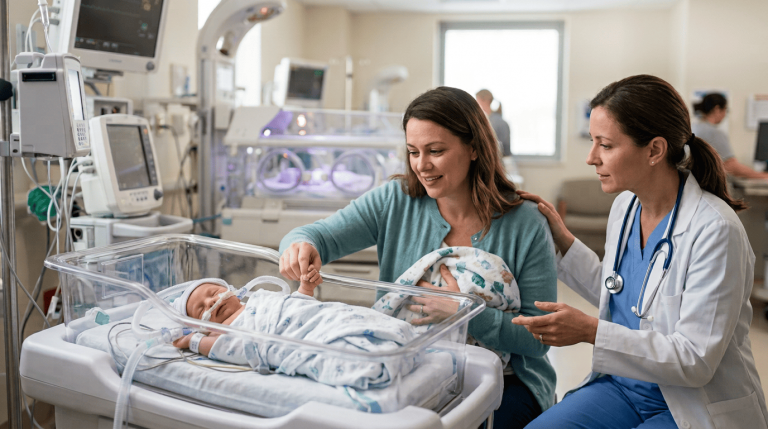
When a baby arrives, families quickly encounter a team of physicians whose titles sound similar but whose roles are distinct. Two of the most…
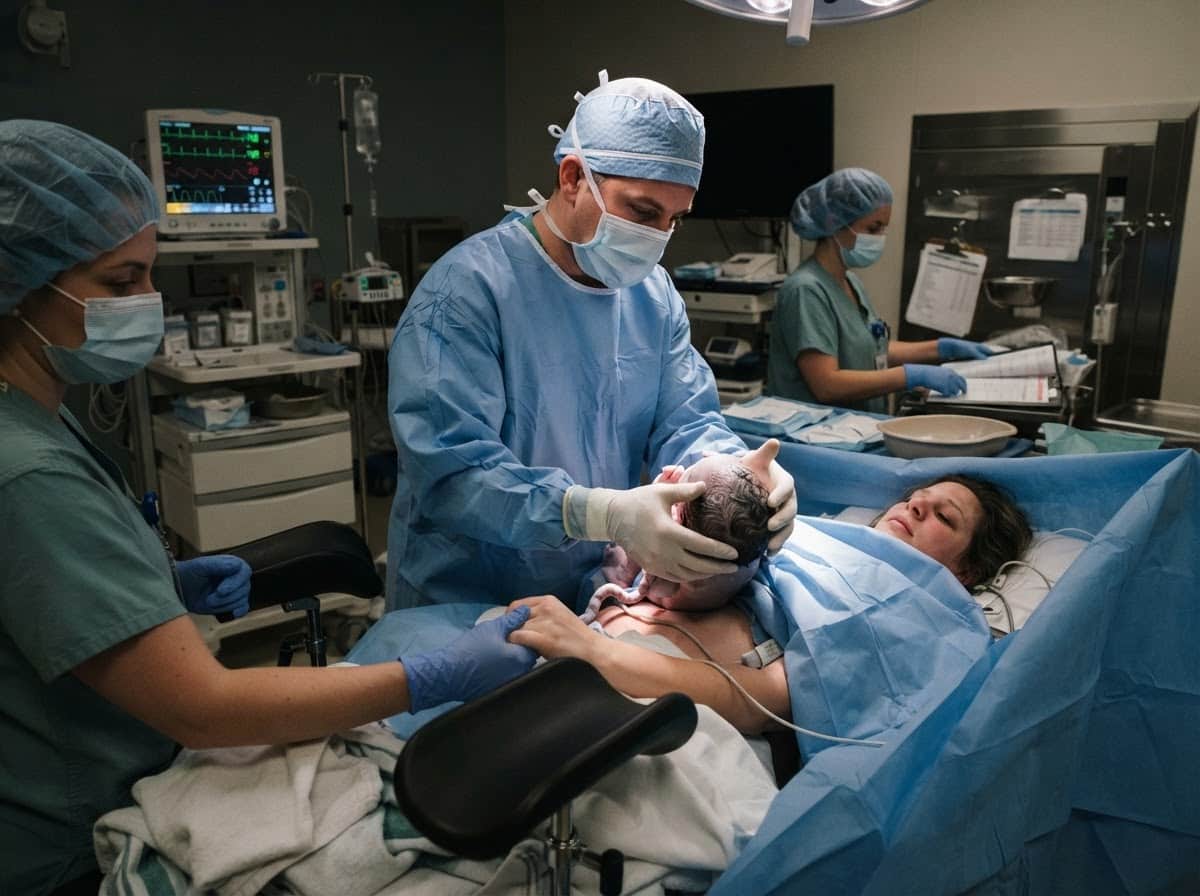
Read article →Labour and delivery is closely monitored precisely because it can change quickly. When warning signs are missed, a response comes too slowly, or a delivery is managed poorly, the consequences can last a lifetime โ and families are often left without a clear explanation of what happened.
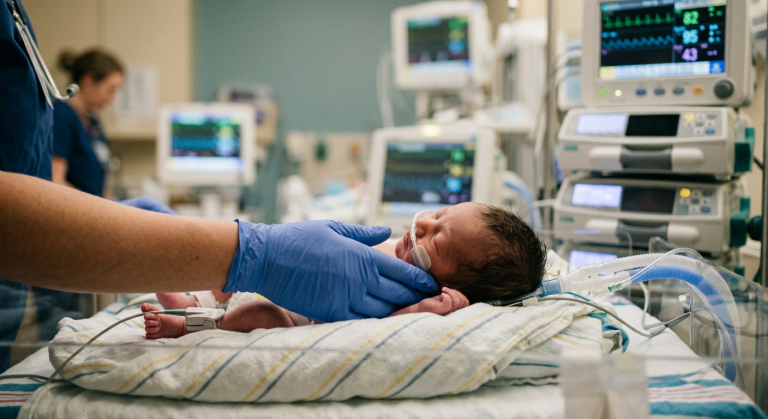
Most births proceed safely. When they do not, families are usually told very little in the moment and are left afterwards trying to piece together whether what happened was unavoidable or whether something should have been done differently.
Not every difficult birth involves negligence. Some complications arise suddenly and are managed properly. A claim arises where the monitoring, the decision-making, or the delivery itself fell below what a reasonably competent practitioner would have provided, and where that failure caused an injury that would otherwise have been avoided.
The team of lawyers at Diamond and Diamond have experience handling birth injury claims for clients across Canada. Scheduling a consultation is the first step toward understanding your rights and determining the strength of your case.
Past results are not necessarily indicative of future results and the amount recovered and other litigation outcomes will vary according to the facts in individual cases.
Your information is kept confidential and reviewed by our legal team.
Fill out our simple form for a free case evaluation — getting started with Diamond & Diamond is quick and straightforward.
Our legal team reviews the labour and delivery record, fetal monitoring strips, and newborn notes to assess whether the accepted standard of care was met.
If we take on your case, we pursue compensation for the harm caused and the lifetime of care your child may need.
Birth injuries generally arise from one of three things: oxygen deprivation, physical trauma during delivery, or an infection or metabolic problem that was not recognised and treated in time.
Oxygen deprivation is the most serious category. When the supply of oxygen to a baby's brain is interrupted for long enough, the resulting injury can be permanent, and hypoxic-ischemic encephalopathy is among the leading causes of cerebral palsy. Physical injuries include brachial plexus injuries such as Erb's palsy, fractures, and injuries associated with forceps or vacuum extraction. Newborn conditions including jaundice, low blood sugar, and infection can also cause lasting harm when they are not identified and treated promptly.
You can read more about how oxygen deprivation claims are reviewed on our HIE claims page. Canadian law is settled that a child injured before birth may bring a claim in their own right once born alive, a principle the Supreme Court of Canada recognised in Montreal Tramways Co. v. Léveillé, [1933] SCR 456. That is why these claims can be advanced on a child's behalf.

Birth injuries take many forms, and the medical questions behind each one differ. Select an injury to learn more about how those claims are reviewed.
A brain injury caused by reduced oxygen and blood flow around the time of birth, and a leading cause of cerebral palsy.
Learn more →A lifelong motor condition that can follow a brain injury sustained before, during, or shortly after birth.
Page coming soonNerve injury to the shoulder and arm, often associated with how shoulder dystocia was managed during delivery.
Page coming soonOxygen deprivation around the time of birth, which can cause lasting neurological injury when not recognised quickly.
Page coming soonLow blood sugar in a newborn that can cause brain injury if it is not identified and treated promptly.
Page coming soonUntreated severe jaundice can lead to kernicterus, a preventable and permanent form of brain injury.
Page coming soonInjuries arising when a baby's shoulder becomes lodged during delivery and recognised manoeuvres are not followed.
Page coming soonCollarbone and skull fractures, bruising, and other physical injuries associated with an instrumental or difficult delivery.
Page coming soonInfection in a newborn that was not identified and treated in time, including group B streptococcus and sepsis.
Page coming soonA note on what belongs here. Every item above is an injury a baby can sustain before, during, or shortly after birth. Conditions that are present from conception, such as Down syndrome or spina bifida, are not birth injuries: where those claims arise it is because prenatal screening or testing was mishandled, which is covered on the Down syndrome misdiagnosis, spina bifida misdiagnosis, and prenatal testing errors pages.
Many birth injury claims turn on a timeline measured in minutes. Fetal monitoring produces a continuous record, and that record often shows when a pattern first became concerning and how long it took for anyone to respond.
Some injuries are apparent immediately. Others emerge over months or years as developmental milestones are missed, which is why families sometimes begin asking questions long after the birth itself.
"If you have questions about your child's birth, request the complete labour and delivery record, including the fetal monitoring strips and the newborn notes. These documents will greatly assist your legal team in reviewing your case."— Diamond & Diamond Lawyers

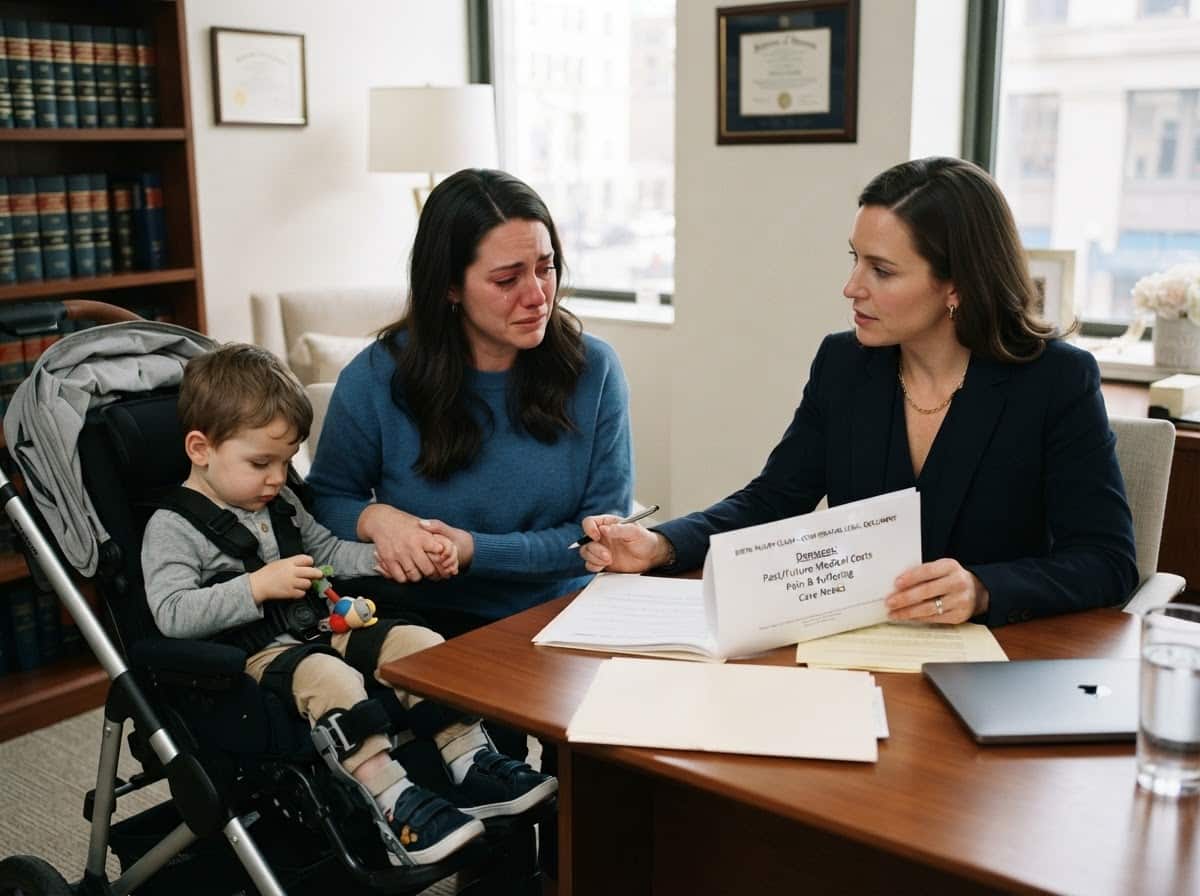
Birth injury claims are among the most substantial in personal injury law, because the care they address may be needed for a lifetime. A child who cannot live independently will require support long after their parents are able to provide it.
Damages are designed to restore plaintiffs to their pre-injury financial positions. Where a child's earning capacity is affected, that loss is projected across a working lifetime. Claims commonly also cover therapy and rehabilitation, assistive equipment and mobility aids, educational supports, home and vehicle modifications, attendant care, case management, and income a parent loses in providing care.
Non-financial damages — such as pain and suffering — are more qualitative. Courts evaluate these based on previous case law that attributes a financial value to the impact of the injury or impairment on a person's life. Family members may also have claims of their own for loss of care, guidance, and companionship.
Speak directly with our legal team. Free consultations available 24/7.
Obstetricians, midwives, nurses, anaesthesiologists, paediatricians, and hospitals each have a duty to provide care that meets the accepted standard. When that duty is breached and a child is injured, you need a legal team with the experience and resources to navigate the complexities of medical malpractice law.
The team of lawyers at Diamond and Diamond have experience handling birth injury claims and will work to protect your family's rights while providing you with clear, honest legal guidance throughout the process. Diamond and Diamond has offices in Ontario, Alberta, British Columbia and Nova Scotia, and the team handles medical malpractice claims for clients across Canada.
Avoid making contact with other parties involved in your case. Your lawyers from Diamond and Diamond should be your main point of contact in any medical malpractice matter. Contact our law firm now to discuss your case.

Explore more relevant practice areas and case types.
Diamond and diamond lawyer and staff are truly angels sent by God to help me and my family. My accident case was very nasty. My family including my 3 years child and a close friend's family were involved in the accident. From the day-1 my lawyer Mr.SAX and his team have helped me from the core of their heart. I must say very very professional and friendly attitude. Finally after 4.5 years we did a satisfactory settlement. My case was complicated. So it took us little longer. I must recommend Diamond and diamond lawyers for your personal injury case.Madhu Gharai · Feb 12, 2020
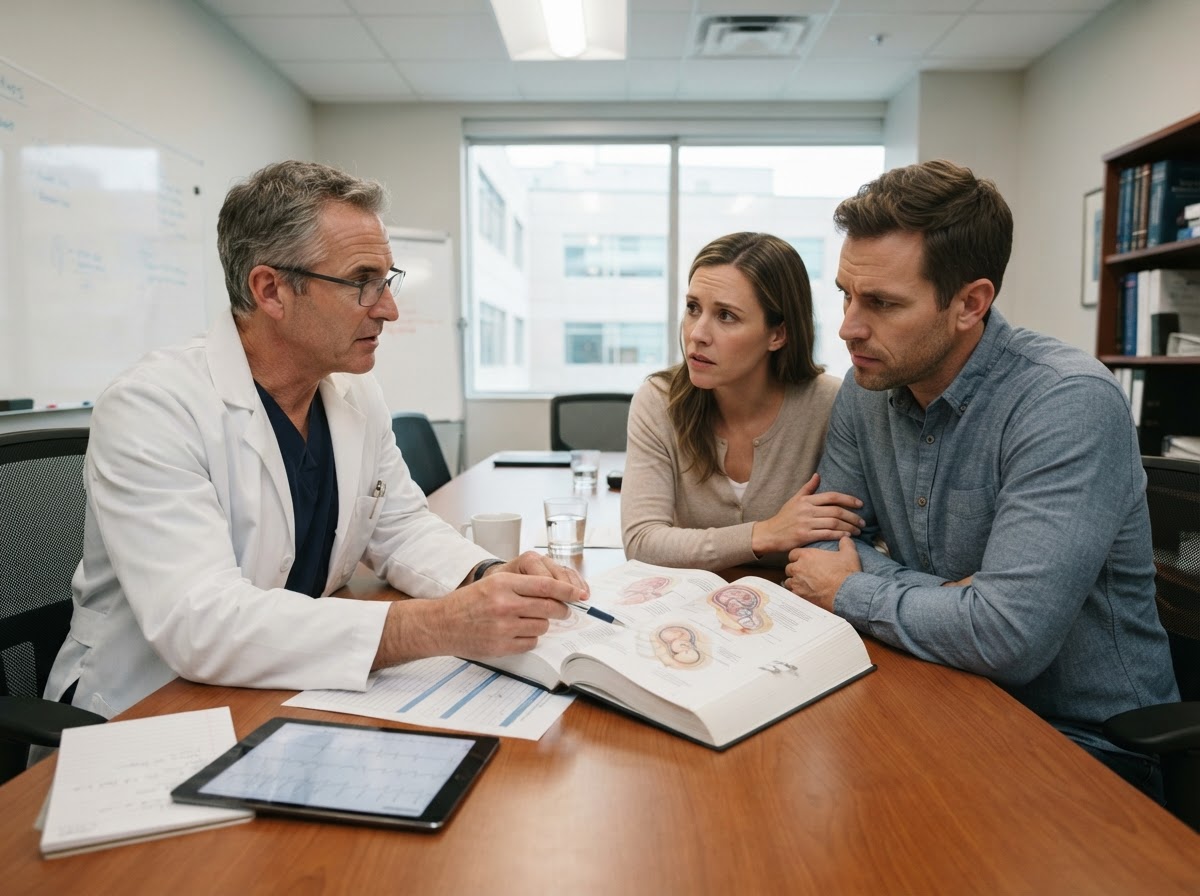
The foundation of any medical malpractice claim rests on proving that the health care provider fell below the accepted standard of care. In a birth injury claim, this means showing that a reasonably competent practitioner, faced with the same monitoring and the same clinical picture, would have acted differently or acted sooner.
Establishing this standard typically requires evidence from qualified medical professionals in obstetrics, midwifery, neonatology, or paediatric neurology. An experienced personal injury lawyer at Diamond and Diamond can help you navigate this process.

Fetal monitoring produces a continuous trace throughout labour, and that trace is frequently the central document in a birth injury claim. It can show when a pattern first became concerning, how it developed, and how long passed before anyone responded.
Placental pathology, cord blood gas results, imaging of the baby's brain, and the timing entries in the delivery record are read alongside it to build a picture of when an injury occurred and whether it was avoidable.

Request the complete record: prenatal notes, the labour and delivery record, fetal monitoring strips, operative notes if there was a Caesarean section, cord blood gas results, newborn and neonatal intensive care notes, and any imaging. Keep your own written account of what you were told and when.
Avoid discussing a potential claim with the providers involved in your care. Your next step should be to contact a personal injury lawyer with experience in medical malpractice cases, who can evaluate your situation during a free consultation.

Call NOW for a free consultation
When a baby arrives, families quickly encounter a team of physicians whose titles sound similar but whose roles are distinct. Two of the most…
Read article →

The birth of a child should be one of life’s most hopeful moments. When a baby is deprived of oxygen around the time of…
Read article →
Browse clear, plain-language answers to the questions we hear most about medical malpractice claims.
See All Medical Malpractice FAQsThis page provides general information about Canadian law and is not legal advice. Health care is regulated provincially and territorially, so the legislation, regulators and standards that apply depend on where you were treated. Every situation is different. For advice about your circumstances, speak with a lawyer.