



Medical Malpractice

Down Syndrome Misdiagnosis Lawyers in Canada

Prenatal screening is offered so that families can make decisions with accurate information. When a result is mishandled, misreported, or never explained, that decision is taken away from them. These claims are about information and choice — never about the value of a child's life.

$1B+Recovered in Gross Settlements Since 2013
35+Years of Experience
24/7Free Consultations Available
Looking for Legal Help?

Get Legal Help After a Prenatal Screening Error

Down syndrome, or trisomy 21, is a chromosome difference present from conception. People with Down syndrome live full lives, and nothing on this page should be read to suggest otherwise. What the law recognises is a narrower question: whether parents received the accurate information they were entitled to, and whether they were given a genuine opportunity to make their own decisions.

Prenatal screening programmes are organised provincially in Canada, so what is offered and what is publicly funded depends on where you receive care. Ontario's programme, used here as an example, offers enhanced first trimester screening and, where criteria are met, non-invasive prenatal testing. Both are screening tests. They estimate a chance; they do not confirm a diagnosis. Only diagnostic testing — chorionic villus sampling or amniocentesis — can do that. Claims arise from how results were produced, reported, explained, and followed up.

The team of lawyers at Diamond and Diamond have experience handling prenatal screening claims for clients across Canada. Scheduling a consultation is the first step toward understanding your rights and determining the strength of your case.

Past results are not necessarily indicative of future results and the amount recovered and other litigation outcomes will vary according to the facts in individual cases.

Get Your Free Case Evaluation

By submitting you are agree to our Terms & Privacy Policy
How It Works

Start with a Free Consultation

1

Start Your Claim

Fill out our simple form for a free case evaluation — getting started with Diamond & Diamond is quick and straightforward.

2

We Review Your Case

Our legal team reviews your screening results, laboratory reports, and clinic notes to assess whether the accepted standard of care was met.

3

We Advance Your Claim

If we take on your case, we pursue compensation for the loss of informed choice and the additional care your family now needs.

Screening vs. Diagnosis

Why the Difference Between the Two Matters

This distinction is the single most important thing to understand about these claims. Enhanced first trimester screening combines a blood test with an ultrasound and gives a risk figure. Non-invasive prenatal testing analyses fragments of DNA in the pregnant person's blood and reports a result as low or high chance.

Neither confirms anything. Prenatal Screening Ontario is explicit, as prenatal programmes across Canada are, that only diagnostic testing such as chorionic villus sampling or amniocentesis can give a definite answer, and that a low-chance result does not rule out every condition. A screening result that turns out not to reflect the pregnancy is therefore not automatically an error at all — it may be the test performing exactly as designed.

Where a claim can arise is in the handling. Prenatal Screening Ontario on eFTS sets out that a screen positive result opens further options, including publicly funded follow-up testing. Failing to offer those options, misreporting a result, or presenting a screening result as though it were a diagnosis are different matters entirely.

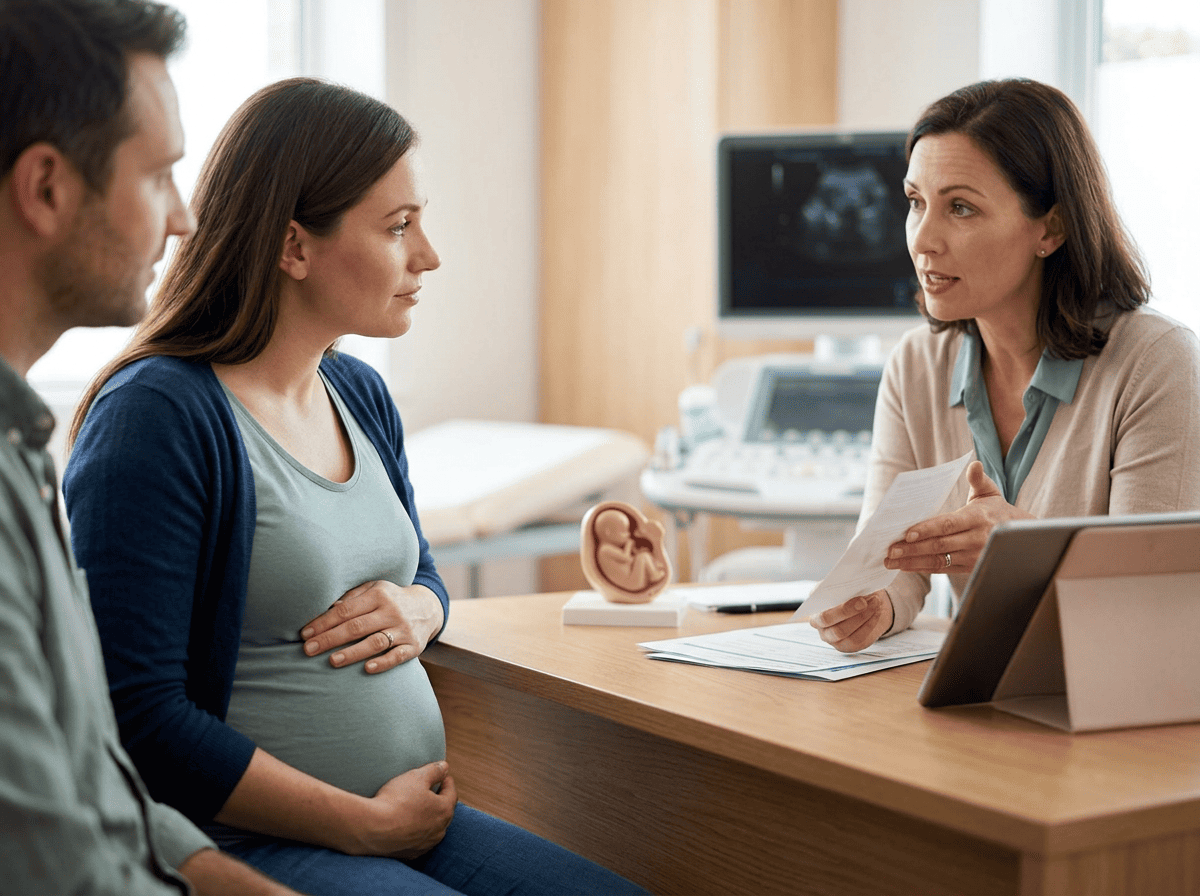
Prenatal screening and diagnostic testing
Common Allegations

Failures That Give Rise to These Claims

Most of these failures are about communication and follow-through rather than the science of the test itself. A result that nobody explained, or an option that was never offered, is where families are most often let down.

Because each stage generates its own record — requisition, laboratory report, clinic note, referral — these claims often show clearly where the process broke down.

Frequently raised in these claims

  • Screening never offered or discussed when it should have been
  • A sample mislabelled, switched, or handled improperly
  • A laboratory result reported incorrectly
  • A screen positive result not communicated to the family
  • Results explained in a way that presented screening as diagnostic
  • Diagnostic testing not offered after a screen positive result
  • Failure to refer for genetic counselling
  • Ultrasound findings suggesting a chromosome difference not acted on
  • A result that reached the chart but never reached the family
  • Results delivered too late for the family to consider their options
  • Screening arranged without informed consent to the test itself
Did You Know?
"If you believe a screening result was mishandled, request the requisition, the laboratory report, and the clinic notes recording what you were told and when. These will greatly assist your legal team in reviewing your case."
— Diamond & Diamond Lawyers
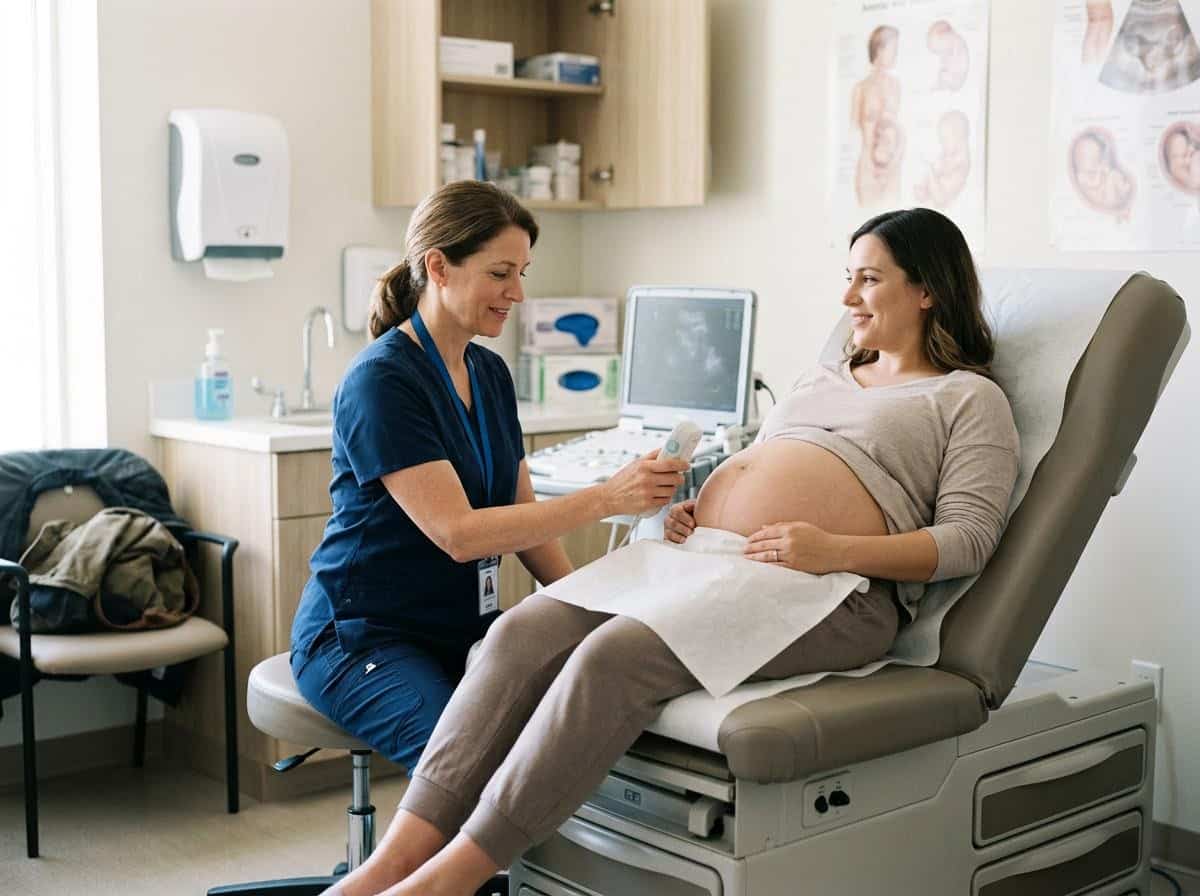
Compensation and damages in a prenatal screening claim
Compensation & Damages

Damages in a Prenatal Screening Claim

What these claims compensate is narrow and specific. It is the loss of accurate information, the loss of the opportunity to make an informed decision, and the additional costs a family carries as a result.

In a claim of this kind, the loss the law recognises is the loss of accurate information and the opportunity to make an informed decision, together with the additional costs of care that follow. A child's life is never treated as the harm, and these claims are approached with that firmly in mind. Claims commonly cover additional medical care, therapy and early intervention, adaptive equipment, home modifications, attendant care, and income a parent loses in providing that care.

Non-financial damages — such as pain and suffering — are more qualitative. Courts evaluate these based on previous case law that attributes a financial value to the impact of the injury or impairment on a person's life. Family members may also have claims of their own for loss of care, guidance, and companionship.

Was a Screening Result Mishandled? Call Us Today.

Speak directly with our legal team. Free consultations available 24/7.

Your Legal Team

Working with Prenatal Screening Claim Lawyers

Physicians, midwives, laboratories, and genetic counselling services each have a duty to provide care that meets the accepted standard. When that duty is breached and a family is deprived of information they were entitled to, you need a legal team with the experience and resources to navigate the complexities of medical malpractice law.

The team of lawyers at Diamond and Diamond have experience handling these claims and will work to protect your family's rights while providing you with clear, honest legal guidance throughout the process. Diamond and Diamond has offices in Ontario, Alberta, British Columbia and Nova Scotia, and the team handles medical malpractice claims for clients across Canada. These are sensitive matters, and they are handled that way.

Avoid making contact with other parties involved in your case. Your lawyers from Diamond and Diamond should be your main point of contact in any medical malpractice matter. Contact our law firm now to discuss your case.

Diamond and Diamond legal team
More like this

Related Practice Areas

Explore more relevant practice areas and case types.

I have had a great experience so far with this firm. They got me money I needed for medical abd have an open lawsuit for a million for me. I am happy and grateful for their hard work on my behalf
— Aidan Straw, Google Review

Aug 6, 2025

Important Information About Down Syndrome Misdiagnosis Claims

The foundation of any medical malpractice claim rests on proving that the health care provider fell below the accepted standard of care. Here that usually concerns the process around the test: whether screening was offered, whether the result was accurately produced and reported, whether it was explained, and whether the options it opened were made available.

Establishing this standard typically requires evidence from qualified professionals familiar with prenatal screening practice. An experienced personal injury lawyer at Diamond and Diamond can help you navigate this process.

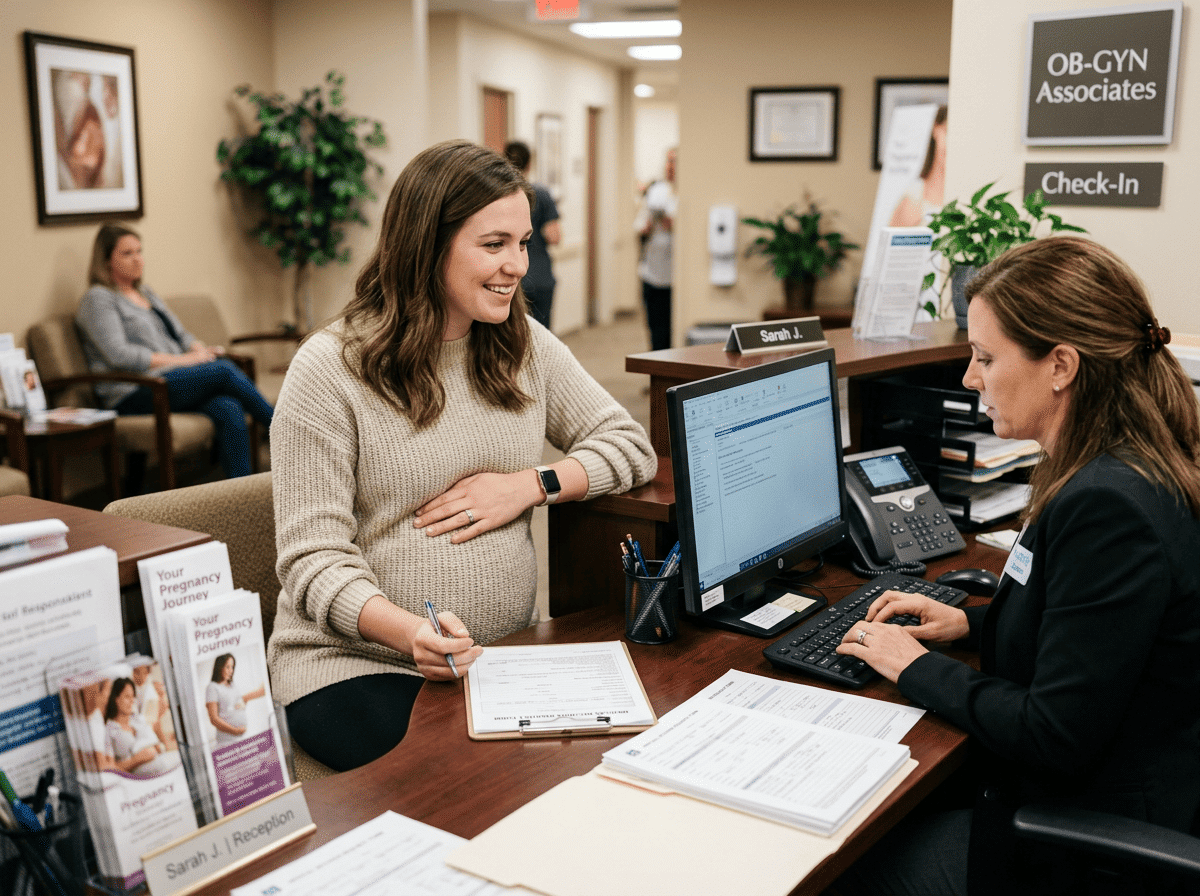
Pregnancy standard of care

Screening tests report a chance, not a fact. A low-chance result that did not reflect the pregnancy may simply be the recognised limit of the test rather than anyone's mistake, and a claim built on that alone will generally not succeed.

The claims that do proceed tend to involve something else — a sample handled improperly, a report that was wrong, a positive result nobody passed on, or a family who was never offered the diagnostic testing that should have followed.

Pregnancy screening test

Request your complete prenatal file: the test requisition, laboratory reports, ultrasound reports, referral letters, and clinic notes. Write down what you were told about each result, by whom, and when — including anything you asked and how it was answered.

Avoid discussing a potential claim with the providers involved in your care. Your next step should be to contact a personal injury lawyer with experience in medical malpractice cases, who can evaluate your situation during a free consultation.

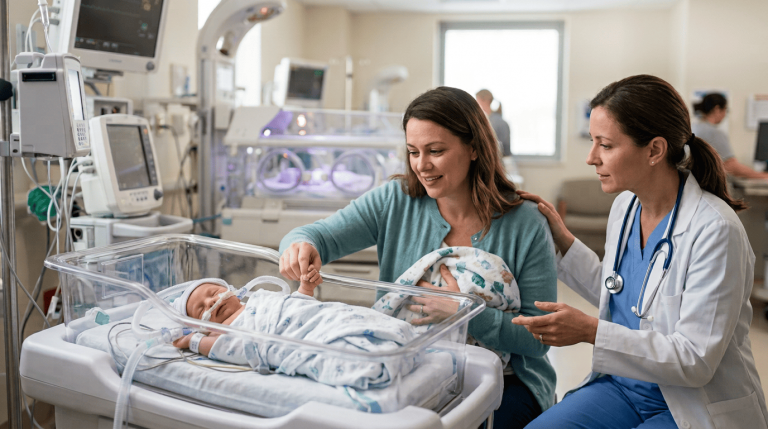
What to do after a prenatal screening concern

Get the help you deserve

1-800-567-HURT

Call NOW for a free consultation

Recent Articles

Pediatrician vs. Neonatologist: What Is the Difference and Why It Matters for Your Newborn
Jul 28, 2026

Pediatrician vs. Neonatologist: What Is the Difference and Why It Matters for Your Newborn

When a baby arrives, families quickly encounter a team of physicians whose titles sound similar but whose roles are distinct. Two of the most…

Read article →

What Is Perinatal Asphyxia? Causes, Signs, and When a Birth Injury Raises Questions
Jun 15, 2026

What Is Perinatal Asphyxia? Causes, Signs, and When a Birth Injury Raises Questions

The birth of a child should be one of life’s most hopeful moments. When a baby is deprived of oxygen around the time of…

Read article →

Frequently Asked Questions

Is a screening test that did not detect Down syndrome a mistake?
Usually not. Screening tests estimate a chance rather than confirming a diagnosis, and every screening tool has a recognised detection rate below one hundred per cent. A result that did not reflect the pregnancy may be the test working as designed.
What is the difference between screening and diagnostic testing?
Screening tests such as enhanced first trimester screening and non-invasive prenatal testing report a chance. Diagnostic tests — chorionic villus sampling and amniocentesis — examine fetal cells directly and can confirm whether a chromosome difference is present.
So when does a claim actually arise?
Most often from the handling rather than the test: a sample mislabelled or switched, a laboratory result reported incorrectly, a positive result never passed on, diagnostic testing never offered, or a result explained as though it were a diagnosis when it was not.
We were told our result was low risk and it was not accurate. Do we have a claim?
Possibly, but it depends on why. If the result reflected the recognised limits of screening, that is not negligence. If the sample was mishandled, the report was wrong, or the result was misrepresented to you, that is a different question and worth reviewing.
Does bringing a claim mean we regret our child?
No. Families ask this often, and it deserves a direct answer. A claim concerns the information you should have received and the support your child needs. It carries no statement about your child's worth, and it should never be framed that way.
Can a claim be brought where a diagnosis was wrongly given?
Yes. Claims can also arise where a family was told a condition was present when it was not, particularly where that led to further procedures or to decisions made on inaccurate information.
What compensation may be available?
Depending on the case, compensation may cover additional medical care, therapy and early intervention, adaptive equipment, home modifications, attendant care, income lost by a parent providing care, and damages for the loss of informed choice.
What is the Canadian Medical Protective Association (CMPA)?
The CMPA is a mutual defence organization that provides legal defence and liability protection to physicians in Canada. When a medical malpractice claim is filed, the CMPA typically represents the physician. Having experienced legal representation on your side is important when facing the resources of the CMPA.

Looking for more answers?

Browse clear, plain-language answers to the questions we hear most about medical malpractice claims.

See All Medical Malpractice FAQs